
Pavement is a valuable part of any property, whether it serves as a driveway, a private road, a parking lot, or an access route. Like any other investment, asphalt requires regular care to maintain its appearance and performance over time. In Fort Worth, changing weather conditions, daily traffic, and prolonged sun exposure can gradually affect pavement surfaces. As a result, many property owners are exploring maintenance strategies that help extend pavement life while controlling long-term costs.
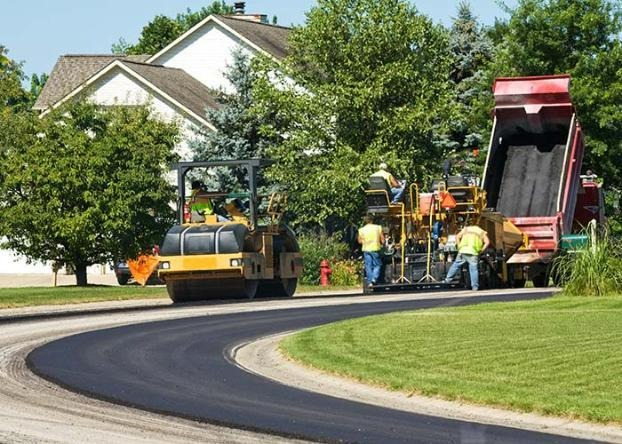
One trend gaining attention is the growing focus on preventive pavement maintenance. Instead of waiting for severe damage to develop, property owners are taking steps to preserve asphalt before major repairs become necessary. Chip Sealing has become one of the methods frequently considered for this purpose. By helping protect existing pavement from wear and environmental exposure, chip sealing offers a practical option for maintaining asphalt surfaces.
Investing in asphalt chip sealing in Fort Worth can help property owners protect aging pavement, extend surface lifespan, and reduce the need for costly repairs over time.
Understanding What Chip Sealing Is
Chip sealing is a pavement preservation process that combines a layer of liquid asphalt with a layer of aggregate, often referred to as stone chips. After the asphalt binder is applied, the stone chips are spread across the surface and pressed into place.
The result is a protective layer that helps shield the pavement from weather exposure and everyday wear. Chip sealing is commonly used on roads, driveways, and other paved surfaces where maintaining long-term durability is a priority.
Unlike full pavement replacement, chip sealing focuses on preserving the existing surface and slowing the effects of aging. It is often used as part of a broader pavement maintenance strategy.
The Shift Toward Preventive Maintenance
Many property owners have begun moving away from reactive maintenance approaches. Instead of waiting for significant deterioration, they are choosing to address surface wear before major problems develop.
Preventive maintenance offers several advantages. It helps preserve pavement condition, extends service life, and reduces the likelihood of more costly repairs in the future. By taking action earlier, property owners can often achieve better long-term results.
Chip Sealing aligns with this trend because it focuses on preserving existing pavement rather than replacing it. This proactive approach supports long-term pavement management and helps maintain surface performance.
Protecting Pavement From Weather Conditions
Weather is one of the most significant factors affecting asphalt surfaces. In Fort Worth, pavement is exposed to intense sunlight, seasonal rainfall, and temperature fluctuations throughout the year. These conditions can gradually contribute to surface deterioration.
Ultraviolet rays may dry out asphalt binders, while moisture can seep into small cracks and weak points. As these issues progress, pavement may become more vulnerable to additional damage.
Chip sealing creates a protective barrier that helps reduce direct exposure to environmental conditions. This added layer of protection supports pavement durability and helps slow the aging process.
Extending the Life of Existing Pavement
One of the primary reasons property owners consider chip sealing is its ability to extend pavement lifespan. Asphalt naturally experiences wear over time due to traffic, weather, and everyday use. Without proper maintenance, deterioration can accelerate.
Preservation treatments help maintain pavement condition and delay the need for more extensive rehabilitation work. Extending the life of an existing surface allows property owners to maximize the value of their investment.
Chip Sealing helps preserve pavement by protecting it from common sources of damage. As part of a long-term maintenance plan, it can help improve pavement performance for years to come.
Supporting Safer Driving and Walking Conditions
Safety is another important consideration when evaluating pavement maintenance options. As asphalt surfaces age, they may become smoother and lose some of their original texture. Reduced surface texture can affect traction, particularly during wet conditions.
Maintaining proper traction helps support safer driving and walking environments. Textured surfaces provide improved grip for vehicles and pedestrians while helping manage surface water more effectively.
Chip sealing creates a textured finish that supports better traction and surface performance. This added texture can contribute to safer conditions across a variety of paved areas.
Improving Overall Appearance
The appearance of pavement can influence how a property is perceived. Faded, worn, or damaged asphalt may create a less attractive impression and affect overall curb appeal.
Well-maintained pavement helps create a cleaner and more professional appearance. Whether on a commercial property or residential driveway, properly maintained surfaces contribute to a positive visual impact.
Chip sealing helps refresh the appearance of aging asphalt by creating a uniform surface. While appearance may not be the primary reason for choosing chip sealing, many property owners appreciate the visual improvements it can provide.
Managing Long-Term Maintenance Costs
Cost management is an important factor in any pavement maintenance decision. Waiting until pavement requires major repairs or replacement can lead to significantly higher expenses. Preventive maintenance often provides a more cost-effective approach.
Addressing surface wear before serious deterioration develops helps reduce future repair needs. Property owners who invest in preservation strategies may be able to avoid larger rehabilitation projects for longer periods.
Chip Sealing is frequently viewed as an economical maintenance option because it helps protect existing pavement while delaying more extensive work. When incorporated into a pavement management plan, it can support long-term budget planning.
Knowing When Chip Sealing Makes Sense
Chip sealing is often most effective when pavement remains structurally sound but shows signs of surface aging. Minor cracks, fading, and gradual wear may indicate that preservation treatment could provide benefits.
Professional evaluations can help determine whether chip sealing is appropriate for a particular surface. Factors such as traffic volume, pavement condition, and maintenance goals all play a role in the decision-making process.
Taking action before severe deterioration occurs often allows property owners to achieve the greatest value from preservation treatments.
Conclusion
Understanding current asphalt paving trends allows property owners to make informed decisions about protecting their investment. By incorporating preventive maintenance strategies such as chip sealing, it is possible to improve long-term pavement durability while more effectively managing future repair costs.
If you’re looking for professional guidance on protecting and maintaining your paved surfaces, the experienced team at Fort Worth Asphalt Paving can help. Their paving professionals provide dependable chip sealing and asphalt maintenance solutions designed to improve durability, appearance, and long-term performance. Contact Fort Worth Asphalt Paving today to learn how chip sealing can help protect your pavement investment.